
Structured Cabling Installation in Commercial & Office: Quality Structured Cabling and Installation Guide
For modern businesses, maintaining connectivity and ensuring seamless communication is pivotal. Structured cabling installation in commercial and office environments offers a robust framework that supports diverse communication systems while minimizing downtime and maximizing efficiency. This guide will delve into the essentials of structured cabling, from its benefits to the components required for an optimal setup. Whether you’re upgrading your current infrastructure or starting from scratch, understanding the intricacies of structured cabling will help you create a reliable network that meets your organization’s needs.
Brief Overview
Structured cabling systems are vital in modern business environments, providing a reliable communication network that supports various devices while ensuring efficiency and minimal downtime. Critical components of these systems include entrance facilities, equipment rooms, and backbone cabling, each contributing to a scalable infrastructure capable of future technological integrations. Proper planning and installation, including the use of patch panels and horizontal cabling, are essential for optimal performance. Advanced technologies, such as fiber optics, are pivotal in enhancing network speed and bandwidth, making these systems indispensable for ensuring robust connectivity and long-term business success.
Key Highlights
- Structured cabling forms the backbone of modern business communication, supporting diverse systems with organized infrastructure.
- Comprising six subsystems, structured cabling optimizes performance and ensures future-readiness through resilient network design.
- Investing in structured cabling enhances security, scalability, and operational efficiency, reducing long-term costs and disruptions.
- Future-proofing involves scalable solutions like fiber optics, ensuring high-speed capacity and seamless integration of new technologies.
- Professionally installed structured cabling improves productivity by minimizing issues and aligning networks with evolving business needs.
Understanding Structured Cabling
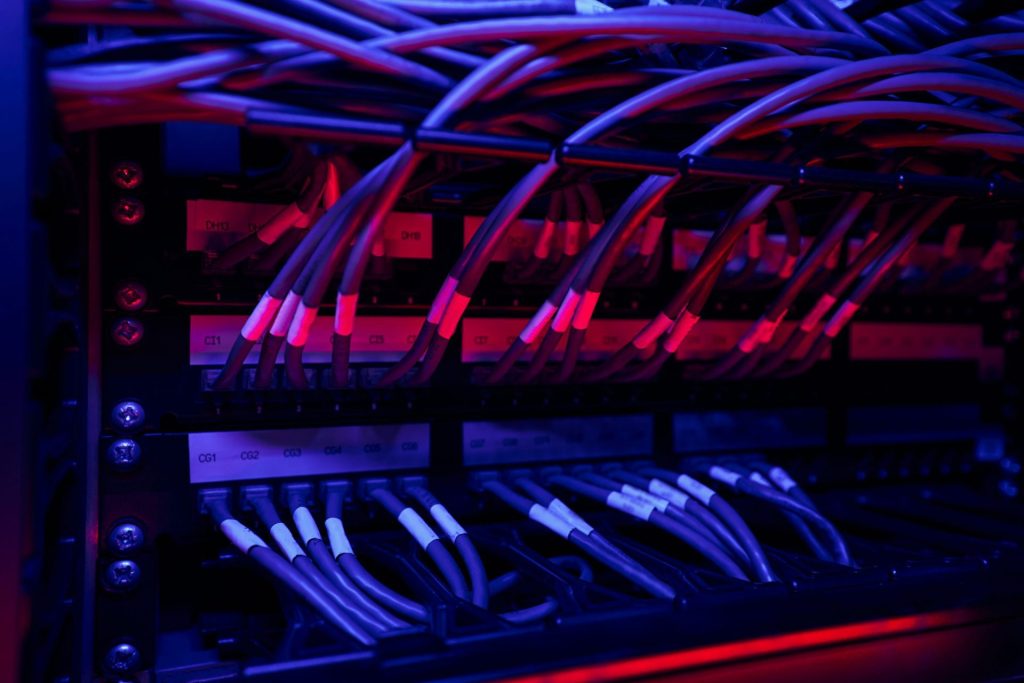
Structured cabling systems form the backbone of reliable communication networks in modern business environments. These systems consist of organized cabling infrastructure that supports various hardware and cables essential for networking, communication, and security. Understanding structured cabling is crucial for businesses aiming to build efficient and scalable networks. We’ll explore the essential components that make up these systems and their significant role in business operations, ultimately highlighting the importance of investing in a reliable cabling infrastructure.
| Component | Function | Significance in Business |
|---|---|---|
| Cables | Transmit data and power across networks | Ensure reliable and efficient communication essential for business operations |
| Patch Panels | Facilitate connections between incoming and outgoing lines | Enable flexible network design and simplify troubleshooting |
| Racks and Enclosures | Organize and protect networking hardware | Enhance equipment longevity and accessibility for maintenance |
| Connectors | Join cables to other network devices | Ensure robust connections, minimizing downtime and data loss |
| Cable Management Systems | Maintain tidy and efficient arrangements of cables | Improve airflow, reduce potential hazards, and make changes easier |
This table encapsulates the core elements and benefits of structured cabling systems, supporting their essential function in building reliable business networks.
Planning Structured Cabling Installation
Effective planning is essential for a successful structured cabling installation in commercial and office settings. This phase sets the foundation for reliable network performance and future adaptability. Key considerations focus on understanding office cabling requirements and anticipating future cabling needs, ensuring that the infrastructure supports scalability and modern technological demands. This approach addresses immediate necessities while accommodating potential expansions or integrations of advanced technologies, maximizing the value and functionality of the installed systems.
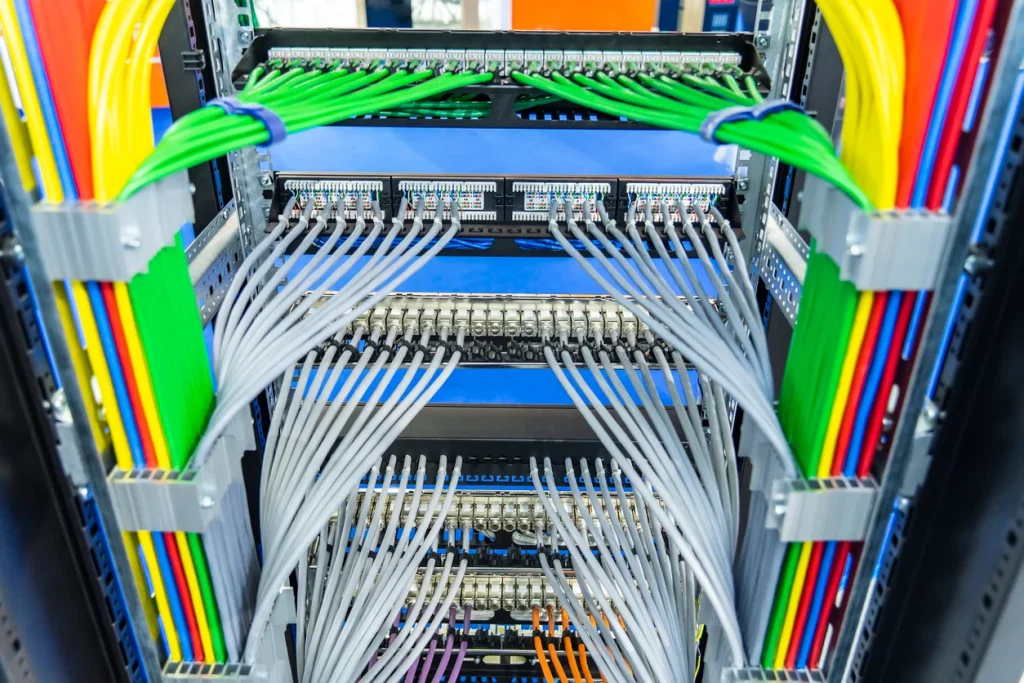
To further bolster your office cabling strategy, consider implementing the following best practices for a robust and future-ready infrastructure:
- Conduct periodic reviews to assess and update your cabling system as business needs evolve.
- Implement color-coded cables for easy identification and streamlined maintenance processes.
- Invest in quality cable management accessories to reduce clutter and enhance accessibility.
- Establish a centralized cabling hub to simplify troubleshooting and network management.
- Ensure thorough documentation of cabling layouts and installations to aid future upgrades.
- Design cabling pathways to accommodate potential technological advancements and new equipment.
- Regularly train staff on basic network troubleshooting to minimize service disruptions.
These practices form a strong foundation for maintaining an efficient, adaptable office cabling network.
Our Services






Installation Best Practices
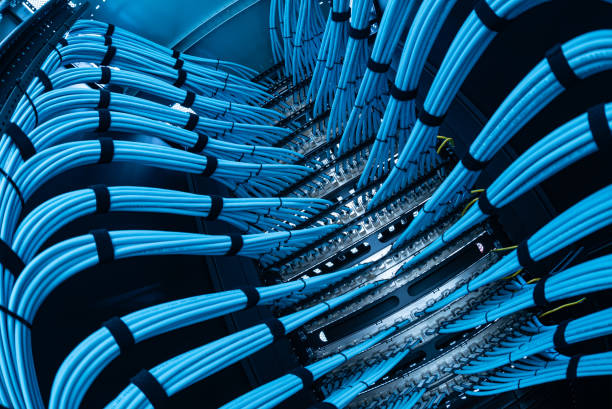
For any structured cabling installation, adhering to best practices is crucial. These guidelines ensure the cabling system supports robust network performance, security, and scalability. Efficient installation practices encompass installing horizontal cabling, utilizing patch panels, and understanding the intricacies of the cabling environment. By implementing these best practices, businesses can achieve reliable communications, compliance with industry standards, and flexibility for future needs. Building on past discussions of structured cabling and its significance, these installation practices provide a deeper understanding of creating effective networks.
To further streamline and optimize horizontal cabling installation, consider these actionable tips:
- Conduct a preliminary site survey to pinpoint potential challenges and opportunities for cabling routes.
- Utilize cable management solutions to minimize tangling and facilitate maintenance.
- Prioritize redundant pathways for mission-critical systems to enhance reliability.
- Schedule regular maintenance checks to anticipate and address potential issues.
- Invest in quality connectors and patch panels for lasting performance efficiency.
- Ensure thorough training for installation personnel on the latest industry standards.
- Develop a detailed labeling system to support effective troubleshooting.
These considerations can significantly improve your cabling infrastructure’s efficiency and reliability.
We provide Structured Cabling Installation in the following cities
Industries Served



Investing in professionally installed structured cabling ensures your commercial or office environment remains efficient, scalable, and ready to meet future demands. By opting for quality materials and experienced technicians, businesses can significantly reduce network issues, enhance productivity, and support expanding technological needs. The implementation of a well-organized cabling system contributes to a seamless operation, reducing downtime and ensuring that connectivity is never compromised. As businesses continue to grow and adapt, having a solid structured cabling foundation is indispensable, providing reliability and performance that align with evolving organizational requirements.