
Structured Cabling Installation for Healthcare: Commercial Cabling for Hospitals
As hospitals and healthcare facilities rely heavily on advanced technology and seamless communication systems, a robust structured cabling installation becomes essential. This type of cabling is fundamental in ensuring reliable data transfer, supporting critical medical equipment, and enabling efficient patient care. Designed to meet the unique needs of healthcare environments, structured cabling solutions deliver high performance and scalability, setting the foundation for future technological upgrades. By investing in professional cabling installation, hospitals can enhance operational efficiency, reduce downtime, and maintain a high standard of care, ultimately fostering a more responsive and effective healthcare environment.
Brief Overview
Structured cabling is vital for healthcare facilities, providing a reliable and efficient network infrastructure to support critical operations. This comprehensive system enhances patient care by enabling swift and secure access to data, fostering seamless interoperability between departments. High-performance cabling aids in network scalability and compliance with healthcare regulations, safeguarding sensitive patient information. The use of fiber optics ensures high-speed data transmission, essential for real-time medical applications. By addressing installation challenges through strategic planning and advanced technologies, hospitals can optimize their networks, ensuring resilience and readiness for future technological advancements.
Key Highlights
- Structured cabling is vital for reliable data transfer, supporting critical medical equipment and efficient patient care.
- Fiber optic cabling enhances speed, scalability, and security in healthcare network systems.
- Installation best practices include planning, labeling, and using high-quality materials for efficient operation.
- Overcoming installation challenges requires strategic planning, phased approaches, and wireless solutions for seamless integration.
- Structured cabling supports future healthcare innovations while ensuring compliance and patient data security.

Understanding the Importance of Structured Cabling in Healthcare
Structured cabling plays a critical role in today’s healthcare environments, serving as the backbone for efficient and reliable communication systems. In hospitals, where patient data and medical records need fast and secure access, structured cabling provides a robust network infrastructure. This infrastructure is ideally suited for handling the increasing demands of healthcare facilities, ensuring compliance, security, and reliability across all operations. In the following sections, we will discuss how structured cabling enhances hospital operations and the specific benefits it offers.
Consider these key improvements made possible by implementing structured cabling systems in hospital settings:
- Improved staff collaboration through seamless data transfer across departments.
- Enhanced network speed and performance for critical healthcare applications.
- Simplified system upgrades and integration of modern technologies.
- Minimized downtime through efficient troubleshooting processes.
- Reduced operational costs from decreased maintenance needs.
- Streamlined regulatory compliance and secure data management.
These factors collectively transform how hospitals function and serve their patients effectively.
Our Services






Key Components of Healthcare Cabling Systems
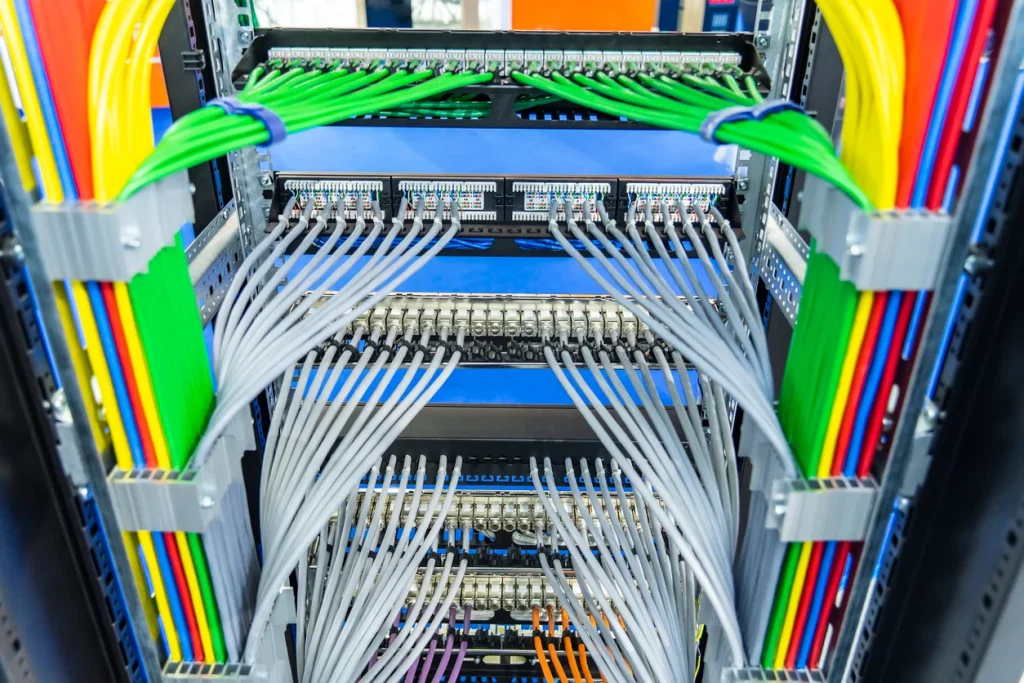
The foundation of any successful healthcare facility is a robust network infrastructure, and structured cabling systems are at the core. In these technology-driven environments, every detail of the cabling system matters, from the choice of fiber optic cables to the meticulous arrangement of wires, each part contributes to the overall efficiency of network performance. These systems support data, voice, and video applications critical to healthcare operations. In this exploration, we will look at how structured cabling enhances network performance and what makes each component crucial for healthcare facilities.
We provide Structured Cabling Installation in the following cities
Steps Involved in Cabling Installation for Healthcare Facilities
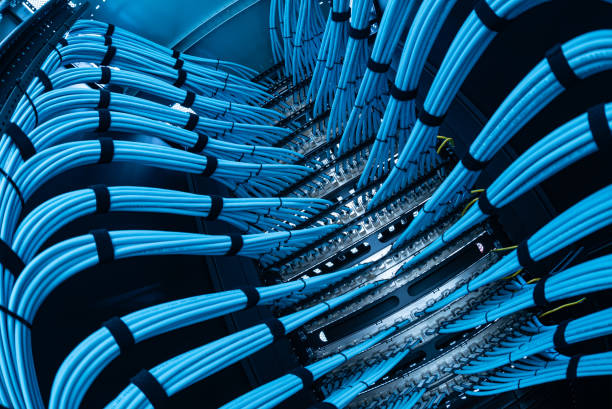
Cabling installation in healthcare facilities is a meticulous process that involves several crucial steps to ensure seamless and reliable network performance. From the initial planning phase to the implementation and testing stages, each step is designed to build a comprehensive cabling system that supports a wide range of healthcare services. These processes not only contribute to the setup of an effective network but also ensure compliance with healthcare standards, ultimately enhancing the quality of patient care. In this overview, we explore the best practices that guide the installation to secure reliable hospital networks.
| Step in Process | Key Practices | Purpose | Benefits |
|---|---|---|---|
| Needs Assessment | Conduct site surveys, gather input from stakeholders | Identify specific cabling requirements | Ensures alignment with operational goals and regulatory standards |
| Design Planning | Create detailed cabling layouts and diagrams | Provide a blueprint for installation | Minimizes errors and enhances efficiency |
| Infrastructure Preparation | Ensure compliant pathways, racks, and conduits are available | Facilitate seamless cable installation | Prevents future disruptions and ensures safety |
| Cable Installation | Use labeled cables, adhere to standards | Effective establishment of connectivity | Enhances reliability and maintenance ease |
| Testing and Certification | Perform thorough testing of installed cables | Verify performance metrics | Guarantees system efficiency and compliance |
| Documentation | Record all system layouts and configurations | Maintain thorough records for reference | Aids in troubleshooting and future upgrades |
This table illustrates the systematic approach to building a robust cabling infrastructure in healthcare settings, emphasizing both current operational needs and future technological capabilities.
Challenges in Installing Network Cabling in Hospitals
Installing network cabling in hospitals presents unique challenges that require specialized approaches to address efficiently. Hospitals, as critical healthcare facilities, demand robust, secure, and compliant structured cabling systems for optimal operation. The installation process must navigate obstacles like existing infrastructure, sensitive environments, and compliance requirements while ensuring minimal disruption to patient care. Additionally, hospitals face the challenge of integrating advanced technologies, which demands future-proof cabling solutions. Understanding and overcoming these unique challenges is essential in establishing a reliable network infrastructure that supports the high data demands prevalent in the healthcare sector.
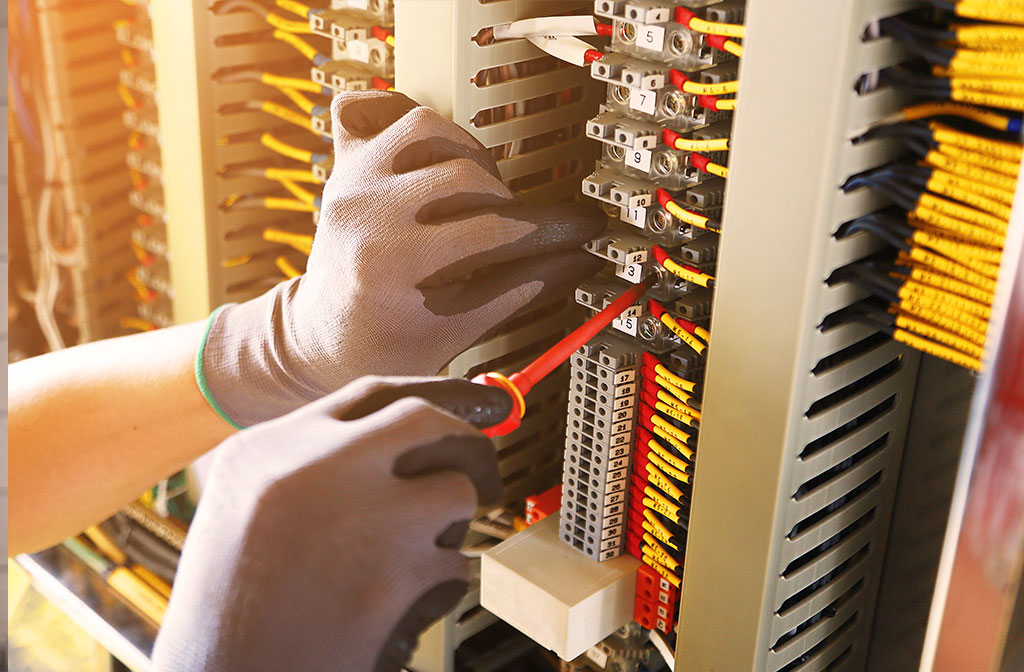
Here are some measures to enhance the effectiveness of cabling installation in hospitals:
- Conduct thorough site assessments to understand the existing infrastructure.
- Use durable materials like fiber optics for enhanced data transmission.
- Adopt a phased installation approach to minimize operational disruptions.
- Schedule work during off-peak hours to maintain service continuity.
- Ensure compliance with regulations by collaborating with compliance specialists.
- Use structured cabling systems to secure data pathways.
- Leverage wireless solutions for areas with physical constraints.
These strategies help build reliable and efficient hospital network systems ready for future technological needs.
Industries Served


With technological growth and the necessity for robust communication networks in hospitals, structured cabling becomes a critical component for the efficient operation of healthcare facilities. By choosing a professional installation, hospitals can benefit from seamless connectivity, ensuring critical data and communications are reliably transmitted across departments. This not only enhances patient care but also minimizes downtime and operational costs, providing a scalable solution that adapts to future technology needs. Emphasizing reliability and organization, structured cabling is an investment in a healthcare facility’s infrastructure, supporting the delivery of state-of-the-art medical services.