
Structured Cabling Installation for Education: Professional Structured Cabling Services
Schools and universities today require reliable and efficient communication networks to support a diverse range of technologies in classrooms, administrative offices, and student facilities. Structured cabling installation plays an essential role in ensuring seamless connectivity across these educational environments. By organizing and standardizing the network infrastructure, these services enhance performance, reduce network downtime, and provide scalability for future technological advancements. Investing in professional structured cabling services means providing students and staff with the foundation they need to access digital resources efficiently and enhance the overall educational experience.
Brief Overview
Schools and universities increasingly depend on structured cabling solutions to establish robust network infrastructures capable of supporting diverse technological needs. These installations ensure reliable connectivity, enhance performance, and provide scalability for future advancements, reducing potential downtime. Utilizing both copper and fiber optic cabling, educational institutions achieve efficient data flow necessary for modern educational tools and secure administrative operations. Professional cabling services cater to the unique requirements of educational environments, offering tailored, adaptable infrastructure that facilitates seamless integration of digital resources. By investing in these comprehensive solutions, schools enhance their capacity to deliver quality education efficiently and securely.
Key Highlights
- Structured cabling ensures seamless connectivity essential for educational institutions’ efficient teaching and administrative functions.
- Integration of copper and fiber optic cabling supports high-speed, reliable connectivity vital for modern educational environments.
- Professional cabling services provide scalable solutions tailored to schools’ dynamic technological needs, facilitating future growth.
- Accurate planning and design of cabling installations enhance network reliability, safety, and scalability for schools.
- Experienced contractors design robust cabling infrastructures, crucial for maintaining adaptable educational networks.
Understanding Structured Cabling in Educational Facilities
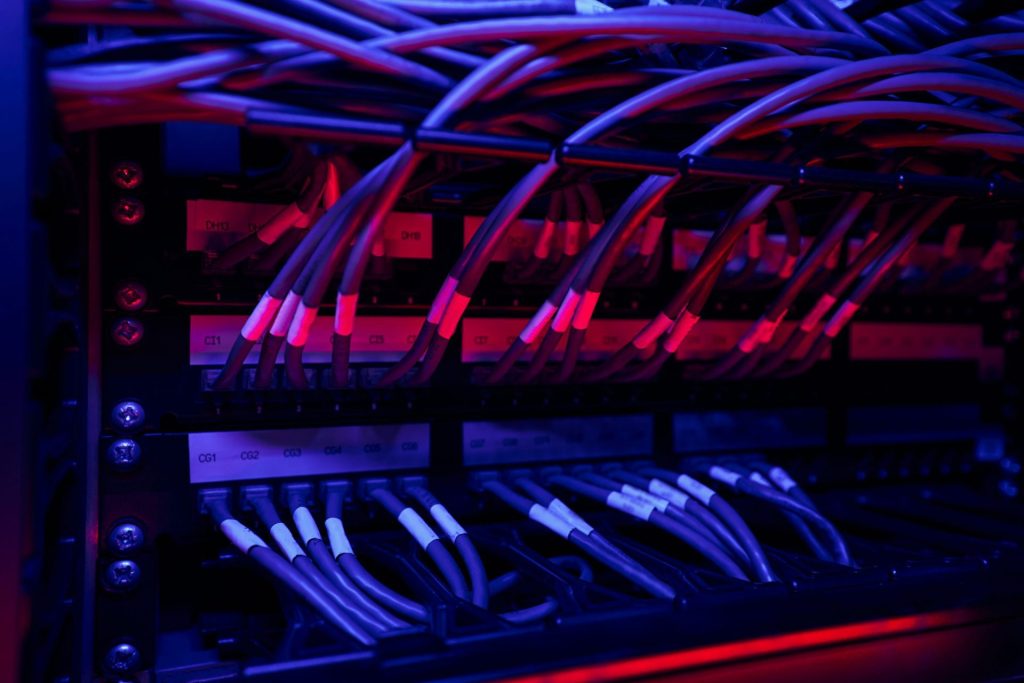
In today’s interconnected world, educational facilities require robust network infrastructure to support seamless learning experiences. Structured cabling serves as the backbone of this connectivity, providing a reliable platform for data transmission across campuses and ensuring each educational institution functions efficiently. By establishing a well-organized cabling infrastructure, schools enhance their foundational network, allowing for secure and scalable installations that adapt to technological advancements. This section highlights the benefits of structured cabling, emphasizing its role in enhancing the overall educational experience through improved connectivity and secure network setups, which are crucial for modern education environments.
To further understand the practical implications and applications of structured cabling in educational settings, consider these key points:
- Structured cabling allows easy integration of new digital tools and resources.
- Enhances classroom connectivity for seamless virtual learning experiences.
- Supports interactive collaboration between students and teachers across multiple locations.
- Reduces the likelihood of network downtime during critical educational activities.
- Facilitates scalable solutions for growing technological demands in schools.
This list provides a concise insight into how structured cabling significantly elevates the educational experience by ensuring robust connectivity and future readiness.
Our Services






Essential Cabling Solutions for Educational Environments
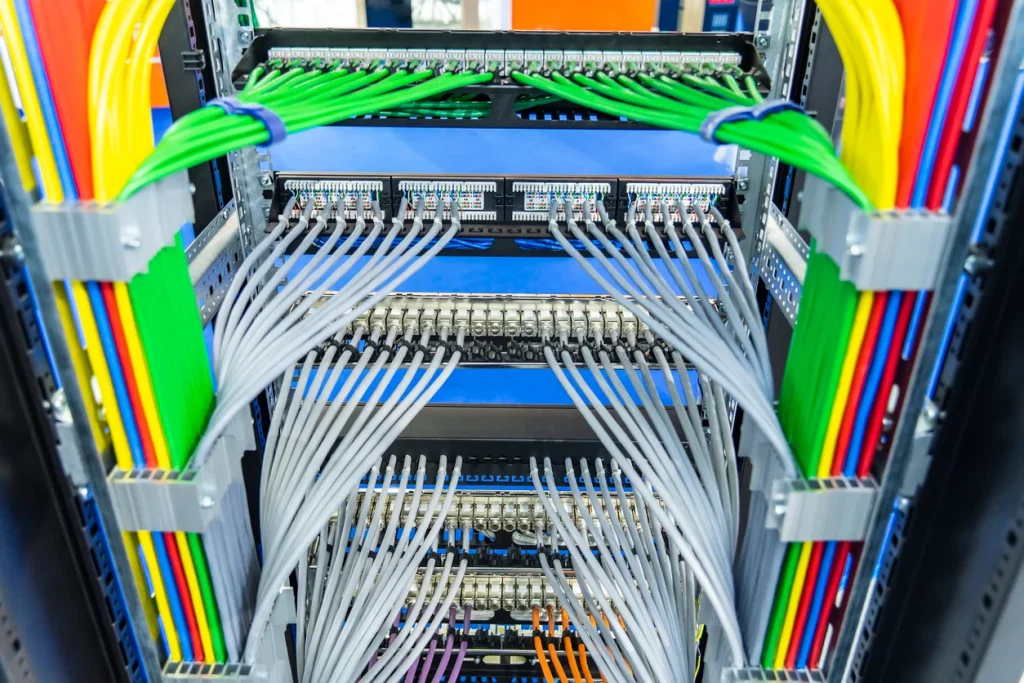
Structured cabling solutions form the backbone of modern educational environments, ensuring reliable and efficient network connectivity. These solutions enable educational institutions to maintain secure, scalable, and high-performing networks vital for supporting digital learning tools and administrative operations. By employing advanced cabling techniques, schools can establish foundational networks that facilitate seamless data flow, thereby enhancing the education process. The following sections explore the types of cabling commonly used in educational settings and the unique benefits of each, providing insights into how these solutions can be leveraged for optimal performance.
| Component | Purpose | Benefits | Consideration |
|---|---|---|---|
| Cables | Transport data between devices and systems. | Supports high-speed data transfer, ensures connectivity. | Choose quality cables for long-term efficiency and to support bandwidth needs. |
| Connectors | Join cables to devices and network hardware. | Reliable connections reduce downtime and interruptions. | Ensure compatible and durable connectors for maintaining connection integrity. |
| Network Hardware | Devices like routers and switches that manage data flow across the network. | Improves network performance and allows expansion as needed. | Select scalable and upgradable hardware to keep pace with technological growth. |
| Cable Management | Organizes cables to facilitate maintenance and upgrades. | Enhances network efficiency and declutters the work space. | Use proper management tools to avoid tangling and signal interference. |
This table outlines the essential components and benefits of structured cabling systems, ensuring that educational institutions are well-prepared for technological advancements and efficient learning environments.
Key Components of Structured Cabling Systems
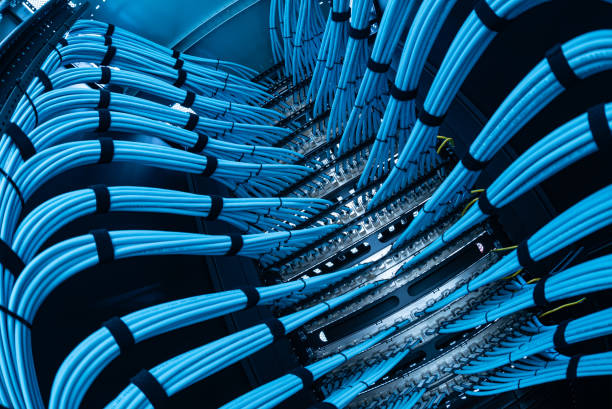
A structured cabling system forms a vital part of networking within educational institutions, supporting the diverse technological demands of modern learning environments. Integrating components like cables, connectors, and network hardware establishes a foundational network for seamless data transmission across campuses. This foundational network enables scalability and adaptability, ensuring schools are prepared for future technological advancements. As educational institutions strive to maintain efficient and flexible network infrastructures, understanding these components becomes vital. Delving into the importance of scalability and flexibility in these setups offers insights into achieving enduring and efficient network performance in schools.
We provide Structured Cabling Installation in the following cities
The Role of Professional Structured Cabling Services
Navigating the complexities of structured cabling services is crucial for educational institutions seeking to enhance their technological capabilities. Professional cabling contractors play an integral role in optimizing network infrastructures, ensuring seamless integration across campuses. This section explores the importance of selecting the right cabling services, detailing how they provide solutions that are both efficient and scalable. By examining the factors involved in choosing the right services, we highlight how educational institutions can maintain robust and adaptable networks, ultimately elevating their capabilities in delivering superior educational experiences.
To further support educational institutions in their quest for the most effective structured cabling solutions, consider these practical elements:
- Evaluate existing network bandwidth to anticipate future expansions.
- Opt for materials that offer a balance between cost-effectiveness and performance.
- Prioritize flexibility in cabling infrastructure to facilitate future upgrades.
- Consider the specific technological needs unique to your institution’s education model.
- Ensure compliance with the latest technological standards and protocols.
- Choose contractors with experience in educational settings to provide tailored solutions.
- Plan for future increases in data usage by selecting scalable cable options.
By carefully considering these factors, institutions can establish a network that not only meets current needs but also prepares for future innovations.
Industries Served
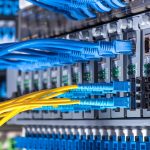

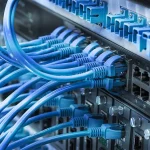
Offering comprehensive structured cabling installations specifically designed for educational institutions, our services cater to creating a reliable and efficient technological infrastructure. Our expert team focuses on delivering customized solutions tailored to meet the unique needs of schools and universities, ensuring seamless connectivity and enhanced communication networks. Whether upgrading existing systems or deploying new installations, we prioritize quality and excellence in every project, guaranteeing that educational environments are well-equipped to support current and future digital learning demands. Trusting our professional services can transform the technological backbone of any educational organization, preparing it for a more connected future.